Plan for every part
Record part usage, container quantity, source, point of use, delivery method and handling constraints. Align the supply plan with the production schedule and product mix.
Engineer the replenishment link between warehouse stock and production consumption.
Production waits for materials, kits arrive incomplete, or excess stock accumulates beside the line. We agree the operating requirements, input data and decision criteria before developing recommendations.
On site in Hyderabad, across Telangana and India. All our services in Hyderabad →
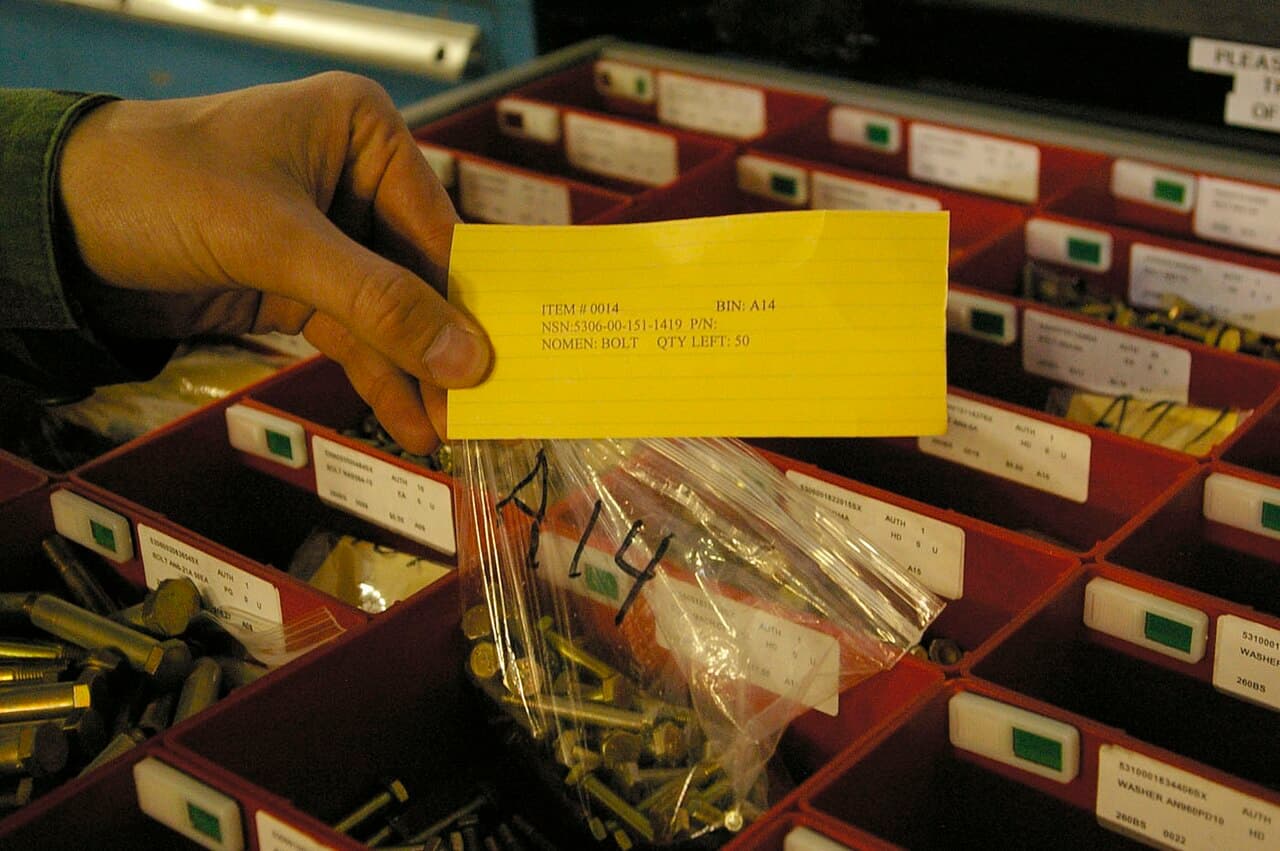
01 / The challenge · e-Andon
A call from the line should reach the right warehouse team, with the part, location and need clearly identified. We connect e-Andon material requests to replenishment ownership and a confirmed handover.
Raise the call → acknowledge it → deliver the material → confirm receipt at the line.
Select a material issue to inspect its e-Andon response and the affected handover in the flow explorer below.
Demonstration only · no live system connection. Calls close after receipt is confirmed at the line.
Zoom in, then swipe within the drawing to inspect the layout.
Identify and verify incoming components before release to stores.
Receipt peaks, inspection queues and unclear ownership.
Agreed receiving checks, identifiers and inventory posting points.
Selected problem: Parts available but not located. Verify item-location records and inspect the physical source before expediting.
03 / Kitting & supermarket design
Engineer the preparation, buffer and replenishment rules around actual production demand.
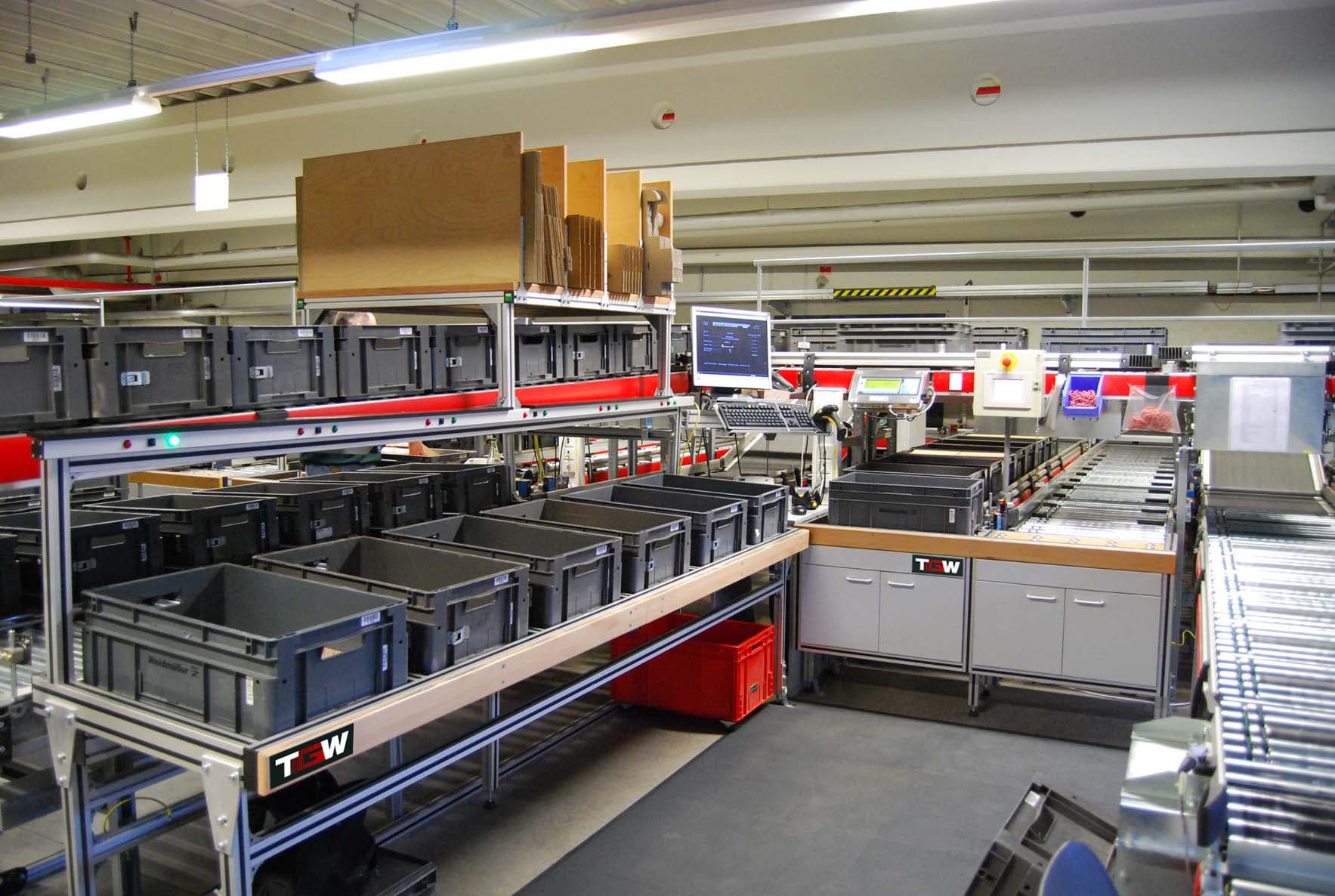
Real picking / material-preparation workstation. The proposed workstation below is illustrative, with no measured reach dimensions.
Part presentation. Present the correct part family in a consistent orientation at the point of preparation.
04 / Pull systems & replenishment
One emptied container releases a signal. Stores picks a container, prepares it and delivers it to restore line-side stock.
Swipe across the technical diagram to inspect each handover.
Model initialized · illustrative data
Deterministic one-minute steps; finite stores stock, no random demand. Kanban releases a container when one container has been consumed. Milk run reviews and exchanges stock at three points on a fixed cadence, with a two-minute offset per stop. Scheduled kitting releases complete kits for periodic production orders; one kit contains eight component-equivalent units.
Pickup occurs no earlier than one minute after release, departure after half the assumed lead (at least two minutes), and delivery after the configured lead. No material is created: picked and in-transit units leave stores until delivered. Replenishment requires sufficient reserve; blocked requests remain open. An unmet consumption event is logged and is not backlogged for automatic recovery.
Transport distances, congestion, product mix, labor limits, quality, upstream supply and execution variability are omitted. This is an illustrative teaching model, not a validated simulation. The live demo starts paused and pauses offscreen or when the tab is hidden.
05 / Simulation & scenario analysis
Same 120-minute horizon and consumption assumptions; changed input only. Baseline / alternative: route cadence 15 / 8 min.
Illustrative comparison · no improvement claim
| Derived measure / 120 min | Baseline | Alternative |
|---|---|---|
| End line-side units | 33 | 33 |
| Unmet demand events | 0 | 0 |
| Late replenishments | 0 | 0 |
Late replenishment = delivery after the estimated stock-coverage deadline or scheduled kit need time. Zero observed late events in this simplified run does not establish real-world reliability. More inventory is an input in the cover alternative, not a free performance gain.
Service overview
Kitting, supermarkets, kanban signals and delivery routes are selected for the material family and operating constraints. Container quantities, replenishment lead times and ownership are made explicit, then piloted with stores and production before rollout.
We design the operating link between stores and production: what each part needs, where it is held, how it is presented and what triggers replenishment. The starting point is the production sequence and consumption at the point of use.
B4 / Scope of work
We agree the areas, data requirements and deliverables during scoping. The activities below define the service’s technical focus.
Record part usage, container quantity, source, point of use, delivery method and handling constraints. Align the supply plan with the production schedule and product mix.
Define kit content, preparation sequence, checks, staging and release rules. Establish ownership for short kits and changes to the production sequence.
Size material buffers using consumption, replenishment lead time and agreed allowances. Define storage addresses, container presentation and limits at the line.
Set withdrawal or empty-container triggers, signal quantities and the replenishment task. Include acknowledgement, escalation and confirmation of delivery.
Plan milk runs or dedicated deliveries against travel, handling time, route capacity and shift constraints. Include empty-container return and access at the line.
Define material-call information, the responsible response team and confirmation at the point of use. Pilot one family and verify kit readiness, line-side stock and interruptions.
Technical approach
Floor observation and operating data establish the basis; review and verification close the loop.
Walk stores and production together; trace material shortages, kit preparation and line-side handovers.
Define part-level quantities, presentation, pull signals, routes and operating responsibilities.
Trial the replenishment cycle and verify timing, container quantities and kit completeness with operators.
Roll out agreed standards, train teams and review shortages, stock levels and delivery exceptions.
Applications
Typical operating situations; these are not client case studies.
06 / Engineering deliverables
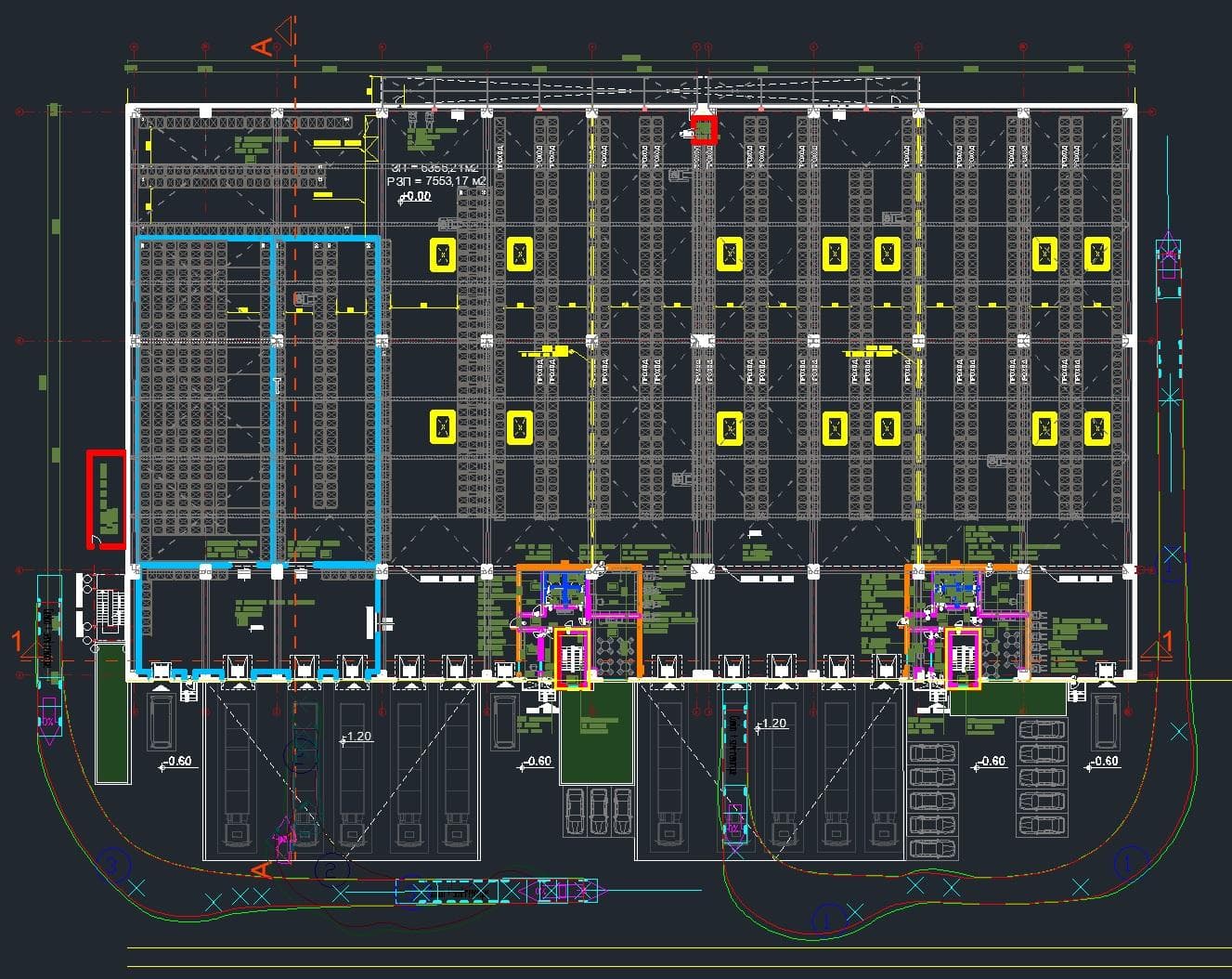
Current-state maps, movement studies, handovers and proposed operational flow.
Part presentation, station layout, reach observations and completeness controls.
Part-level sizing assumptions, inventory positions and withdrawal rules.
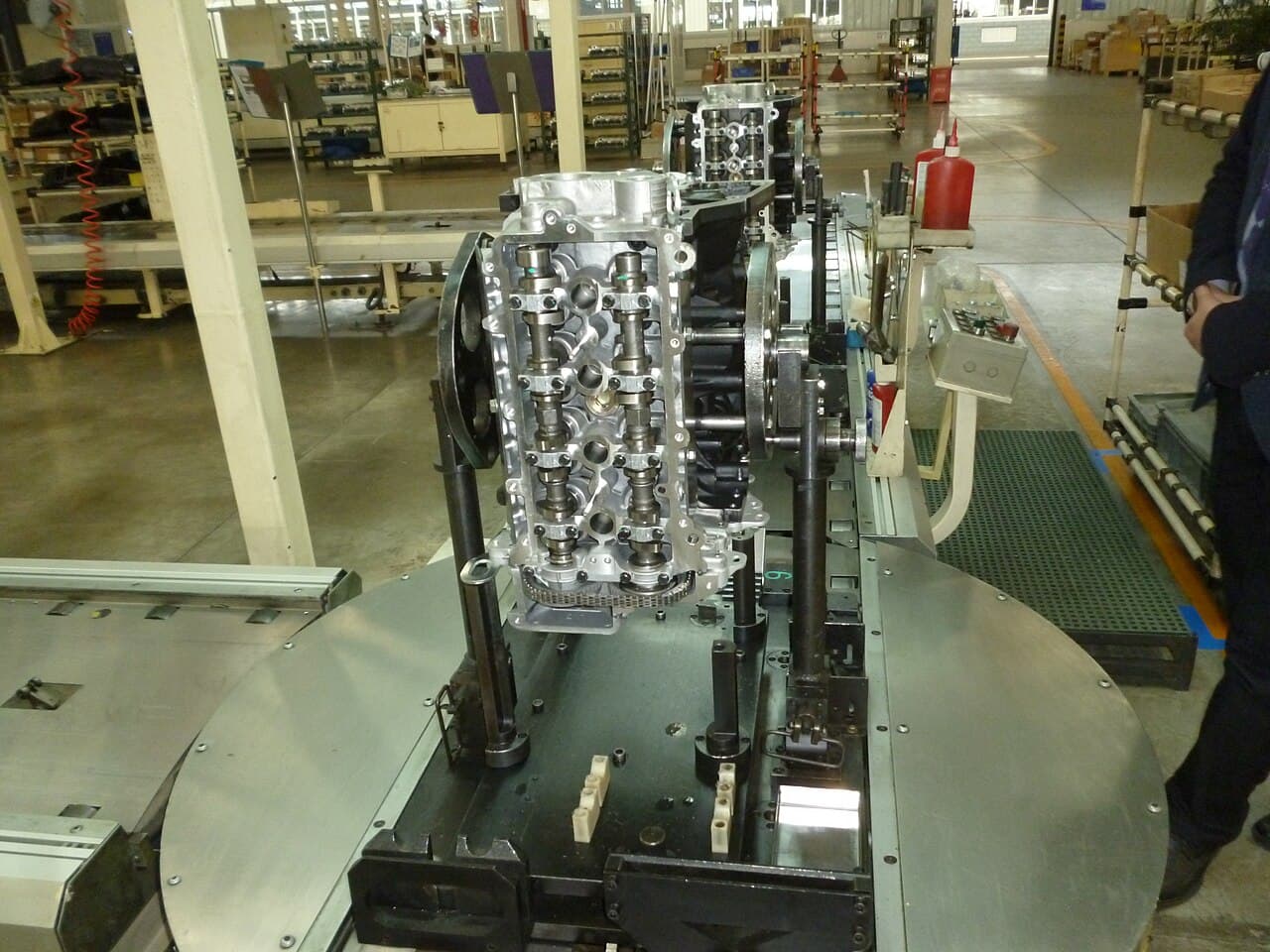
Routes, cadence, point-of-use addresses, responsibilities and triggers.
Pilot scope, dependencies, named ownership, release gates and stabilization.
07 / How we track results
Log stoppage minutes only where the material shortage cause is confirmed; separate supply, quality and inventory-record issues.
Complete verified kits available by their agreed need time ÷ kits due. Define completeness and release ownership.
Observe required usable material at the designated point of use at the time it is needed.
Measure signal-to-delivery elapsed time and deliveries meeting their agreed windows.
Record units and containers by part and location; compare with consumption and approved buffer limits.
Compare completed planned work with the agreed schedule, recording material and non-material deviations separately.
Project-specific baselines, measurement periods and targets are agreed during assessment. Demo outputs are not client results.
[ Questions buyers ask ]
Usually the stores can't see what the line needs next: kits are released before every part is available, replenishment waits for someone to notice, and shortages are fixed without recording why. We trace your stoppages back through stores, kitting and the schedule to find which it is.
It depends on the part. High-value, variant-specific or bulky parts often suit kits; small, common parts suit line-side bins refilled by kanban. We set a plan for every part, so each one reaches the line the right way.
Consumption at the line triggers replenishment: an empty bin or card is the signal, the store refills it to a set quantity, and the bin returns. We size containers and quantities from actual consumption and lead time, so the line neither runs out nor fills up with excess stock.
On an engineer-to-order manufacturing program before TvastrOps, average daily material shortages fell from 52 to 15 once ERP/MRP scheduling was aligned with what the floor needed. We bring the same approach: shortages logged with causes, schedule-aligned kitting and visible line-side stock.
Yes. Line feeding only works when the stores see the production schedule ahead of time. We align replenishment and kitting with your ERP/MRP schedule and specify what the system needs to show, rather than replacing it.
Start here
Tell us about your production schedule, kitting challenges and material flow constraints. We’ll identify where to start and how to improve line-side readiness.
Representative industrial photographs; engineering overlays are illustrative. Images resized/cropped for display. No TvastrOps project attribution is implied.
TGWmechanics / TGW Mechanics GmbH · Material-preparation workstation · CC BY 3.0
Samuel Zeller · Assembly workshop · CC0 1.0
Tangray-nick · Engine assembly workstation · CC BY-SA 4.0
Karen Abeyasekere / U.S. Air Force · Bench-stock kanban example · Public domain (U.S. federal work)