
Skip to content

Our approach · Lean Six Sigma

The TvastrOps Method.DMAIC, on your floor.

We are Lean Six Sigma practitioners. The TvastrOps Method is DMAIC (define, measure, analyze, improve, control) adapted for warehouses and material flow, run with your operators and supervisors on live shifts. We build, test and execute on the floor, and stay until the new way of working holds.

[ the short version ]

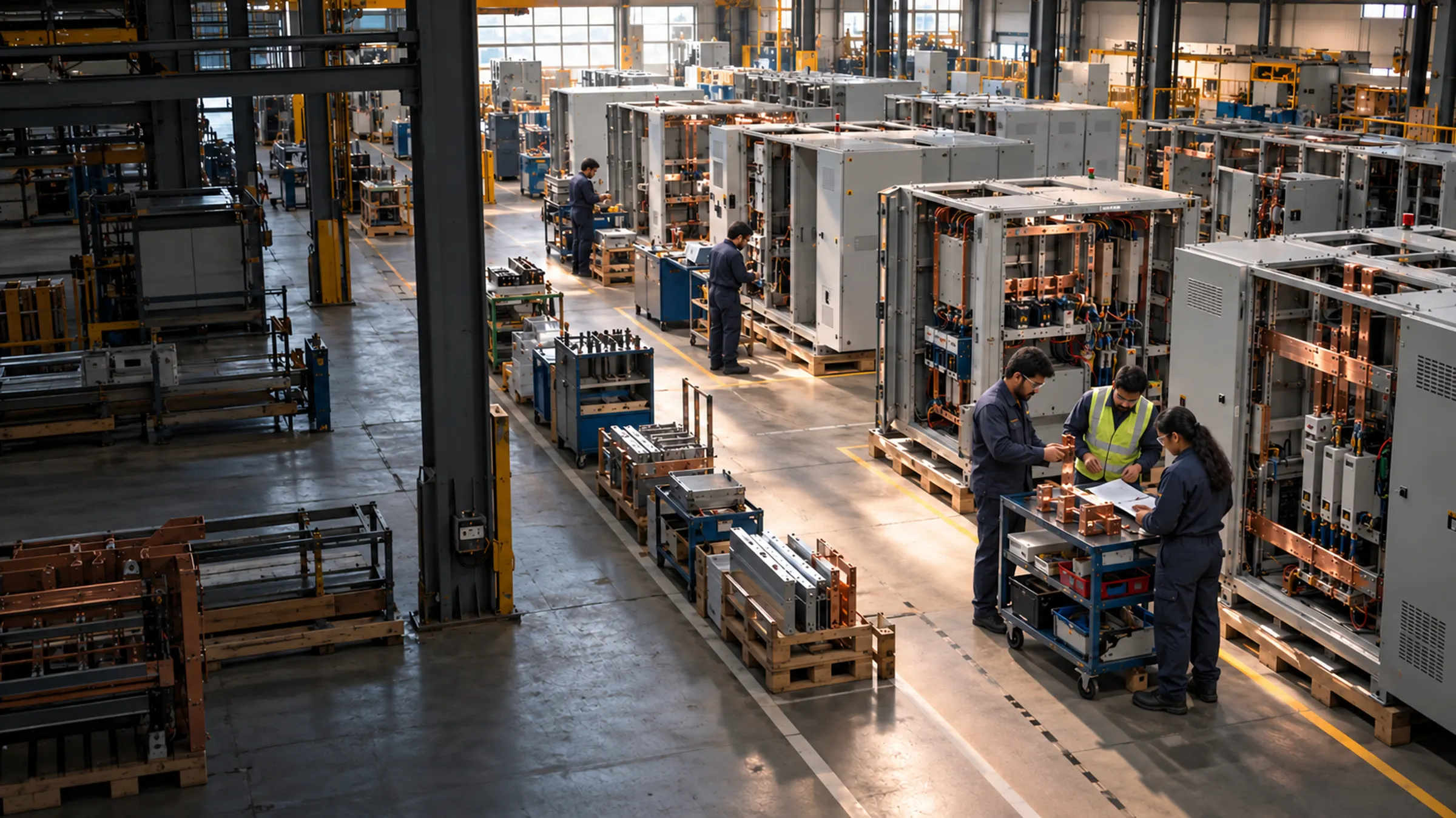
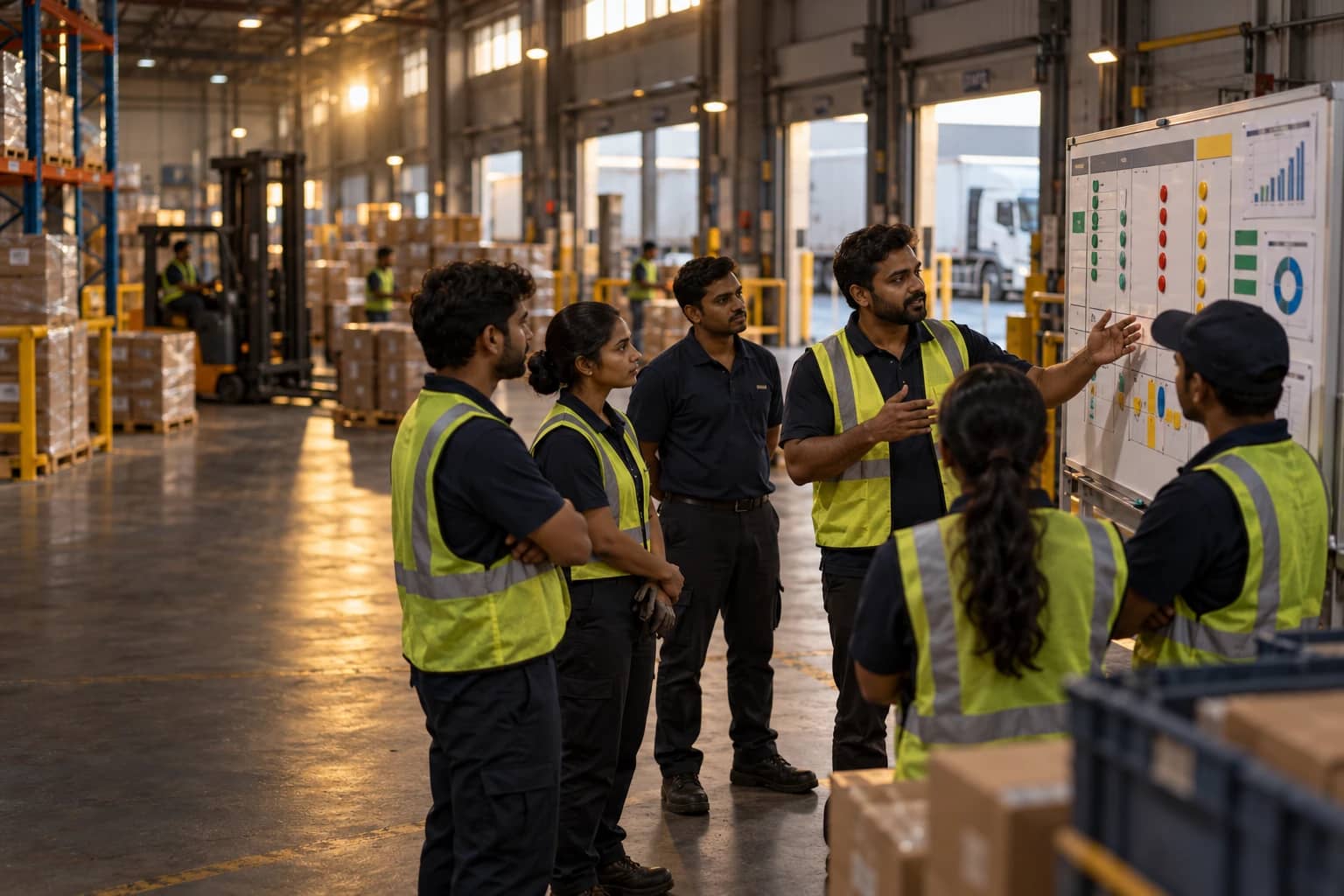
We walk the floor, build on the floor and execute on the floor, with your team from define through control.

The method

01 / 05

Agree the problem

Define

We agree the problem, the scope and the measure of success with the people who own the operation, then walk the floor with operators and supervisors to see where it actually shows up.

Output

A one-page charter: the problem, the scope, the owner and the measure of success.

The TvastrOps Method: phases and deliverables

PhaseWhat you receive
DefineAgree the problemA one-page charter: the problem, the scope, the owner and the measure of success.
MeasureWalk the floor and baseline itA floor-validated baseline and a current-state value stream map.
AnalyzeFind the real constraintThe proven causes and a prioritized roadmap with owners and measures.
ImproveBuild and pilot on the floorA tested working method, measured against the baseline, and the rollout carried out.
ControlMake the gain holdStandard work, a control plan and an operation your team runs without us.

[ Lean Six Sigma ]

The Lean Six Sigma cycle,applied on your floor.

We follow DMAIC, the Lean Six Sigma improvement cycle, to understand the problem, find the cause, improve the process and make the gain hold.

  1. DDefineWhat problem are we solving?

    Agree the problem, the scope and the measure of success with the people who own the operation.

    Tools

    • Project charter
    • SIPOC (supplier-to-customer map)
    • Voice of the customer
  2. MMeasureWhat is happening today?

    Watch the work on the floor and record a baseline from real data, not from the plan.

    Tools

    • Gemba walk
    • Value stream mapping (VSM)
    • Time and motion study
  3. AAnalyzeWhy is it happening?

    Separate the few causes that matter from the many that don't, and prove them with data.

    Tools

    • Pareto analysis
    • 5 Whys
    • Cause-and-effect (fishbone) diagram
  4. IImproveWhat change will fix it?

    Design the change, pilot it on the floor and check it against the baseline before rolling it out.

    Tools

    • Failure mode and effects analysis (FMEA)
    • Kaizen event
    • Pilot run
  5. CControlHow do we make the gain hold?

    Lock the new way of working in, so the result holds after we leave.

    Tools

    • Standard work
    • Control plan
    • Visual management

[ The tools, drawn on one warehouse ]

Illustrative SIPOC for a generic warehouse · built with the client team in Define.
LSS-01 / Vector drawing

SIPOC: receipt to dispatch

100%

Illustrative SIPOC for a generic warehouse · built with the client team in Define.

Illustrative only; the real SIPOC is agreed with the client's process owners.

Open original asset ↗
Illustrative candidate causes · used in Analyze before data narrows them down.
LSS-02 / Vector drawing

Fishbone: causes of picking errors

100%

Illustrative candidate causes · used in Analyze before data narrows them down.

Candidate causes are not findings until verified on the floor.

Open original asset ↗
Illustrative data, not a client result · limits recalculated after the change.
LSS-03 / Vector drawing

Control chart: daily pick errors

100%

Illustrative data, not a client result · limits recalculated after the change.

Illustrative data; limits use mean ± 2.66 × average moving range.

Open original asset ↗

[ operating principles ]

Designed for the realityof live operations.

  1. Walk the floor first.

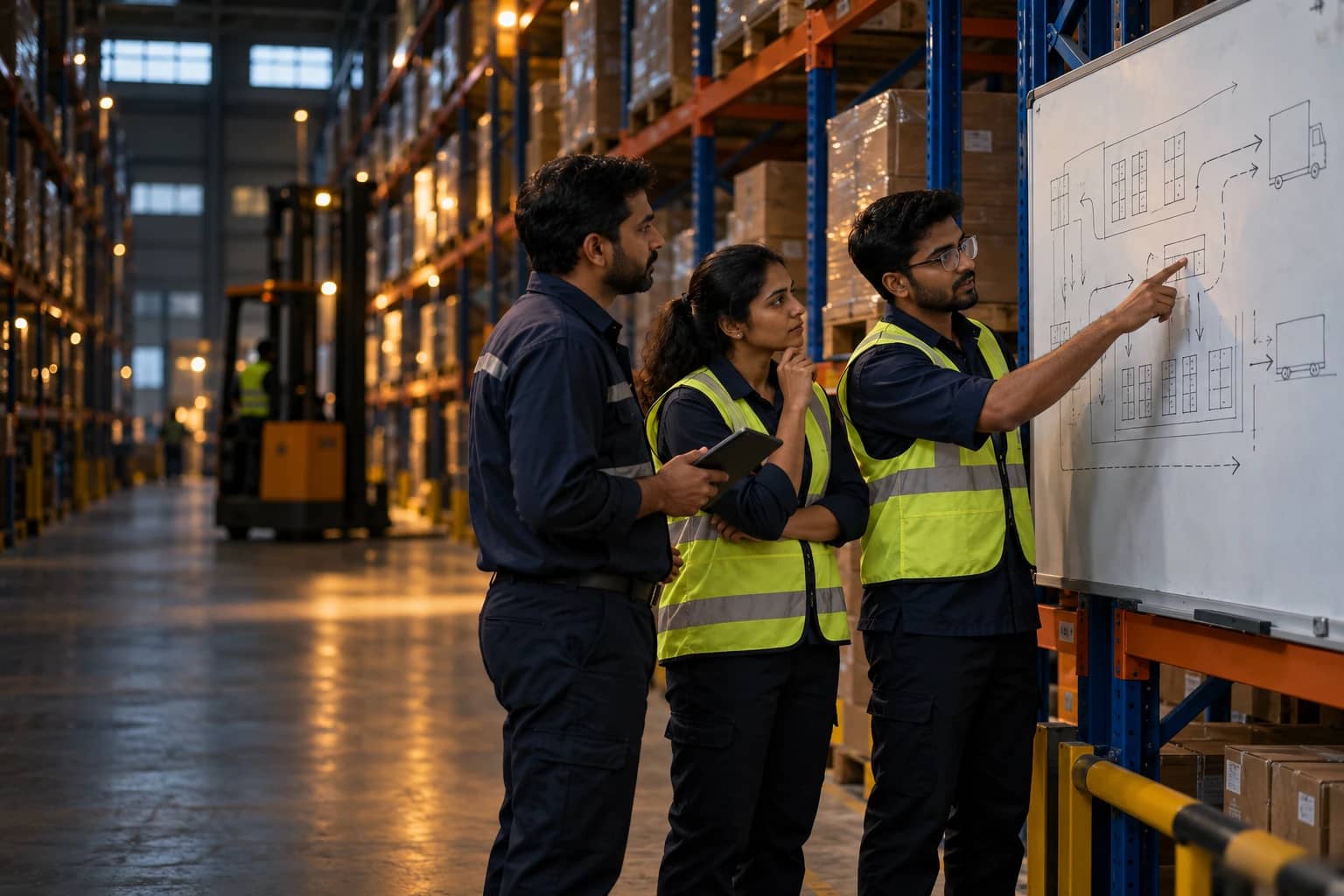
    We walk the routes, observe live shifts and listen to the people doing the work. Every design starts with the physical operation and its constraints.

    • Gemba
    • Real conditions
    • People
    • Constraints
  2. Build with the floor team.

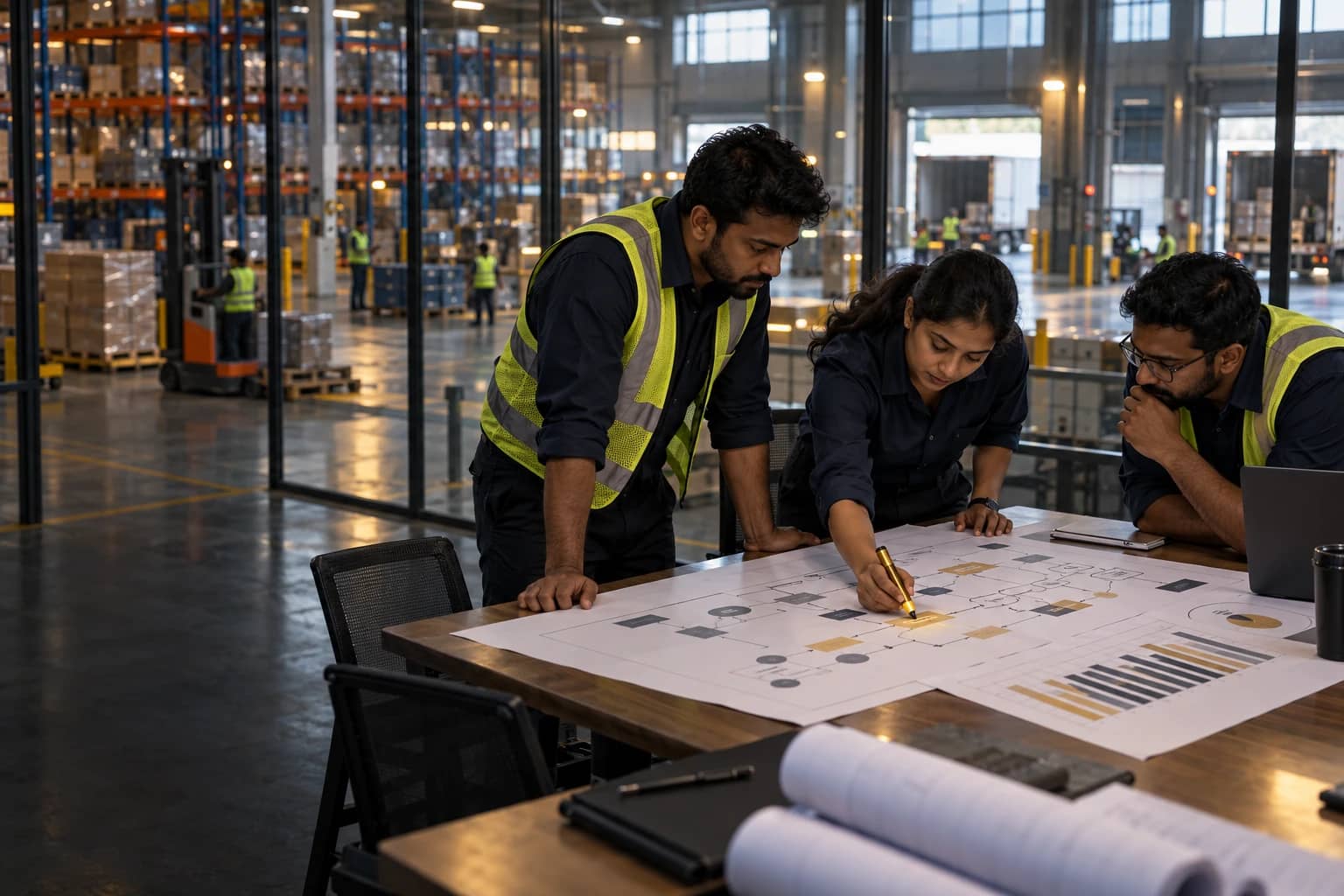
    Operators and supervisors help shape the change. We work through layouts, handling and task methods together so the roadmap fits the operation.

    • Operators
    • Supervisors
    • Practical design
    • Ownership
  3. Prove it on the floor.

    The pilot tests the method under real demand. We measure performance and refine the design with the team before rolling it out.

    • Pilot
    • Training
    • System fit
    • Shift reality
  4. Execute until it holds.

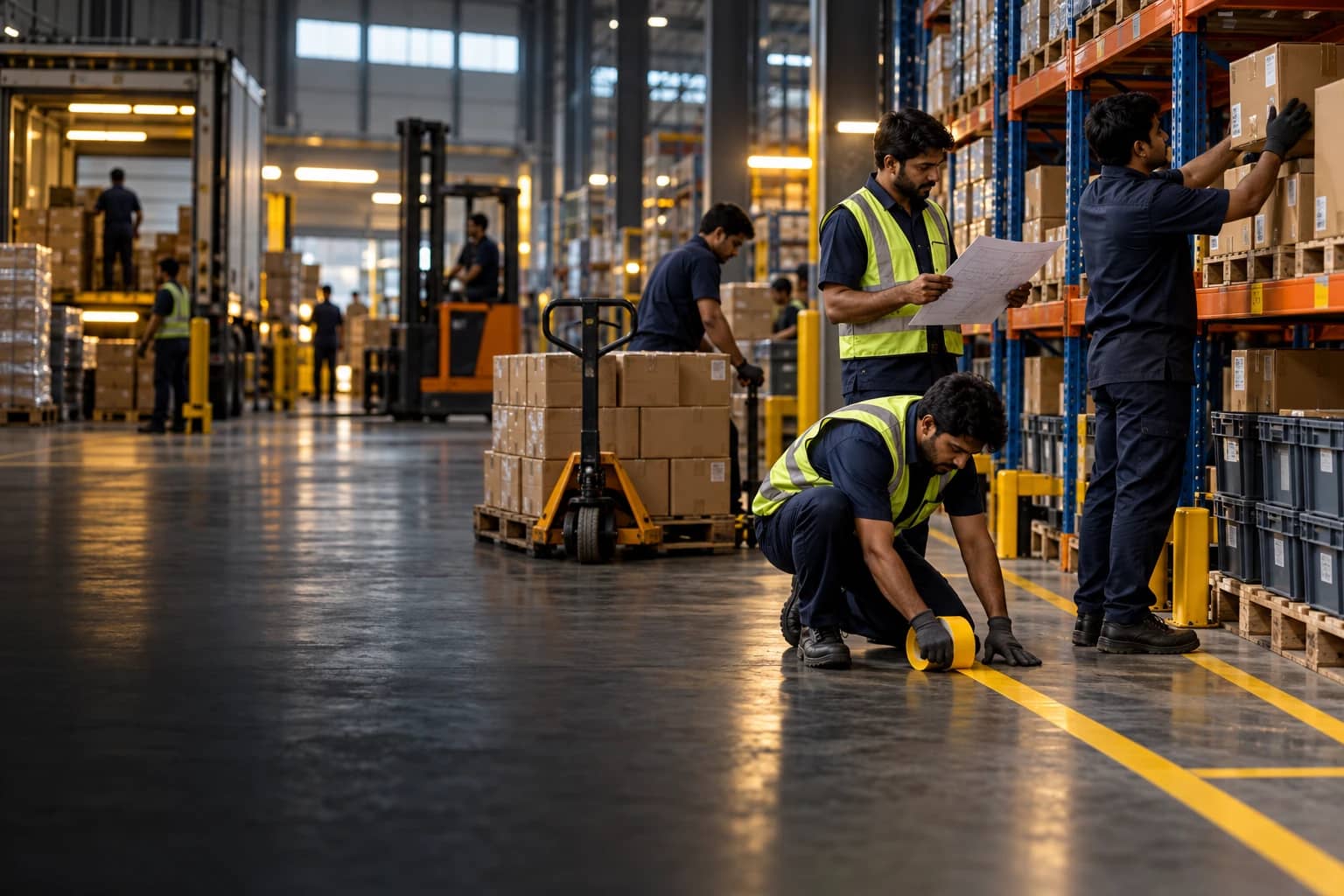
    We stay alongside the team through rollout, training and performance reviews. Implementation finishes with clear controls and an operation the team can run consistently.

    • Control
    • Standard work
    • Ownership
    • Sustain

[ start here ]

Let’s talk aboutyour warehouse.

Congested storage. Slow picking. Stock that won’t stay accurate. Lines waiting for parts. Tell us what isn’t holding and we’ll tell you where we would start.