Skip to content
← Services

Warehouse audits, design & optimization

Assess facilities. Engineer layouts. Evaluate performance. Implement operating controls.

Choose an assessment to establish suitability and constraints, or an engineering service to design and implement a defined change. Each engagement is scoped around the warehouse decision, operating data and practical outputs.

  • Four focused Warehouse Audits
  • Layout and storage engineering
  • Simulation and scenario evaluation
  • Inventory and production-supply controls
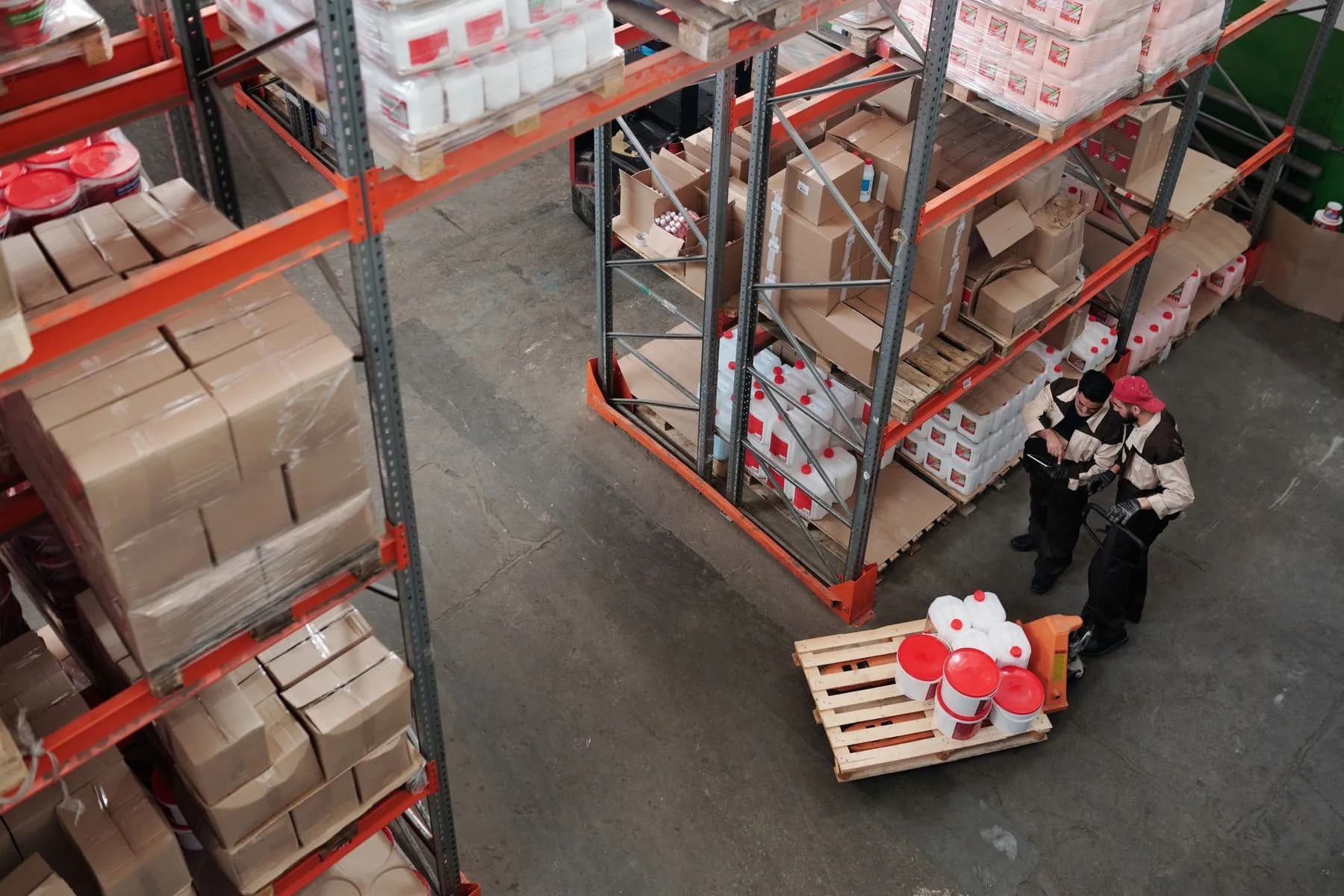
Warehouse associates checking stock in a storage area
Representative photograph / Tiger Lily, Pexels

[ Two service categories ]

Assess. Then engineer.

Warehouse Audits establish what a building and an operation can really do. Warehouse Design & Optimization designs the change and carries it through. Start with either.

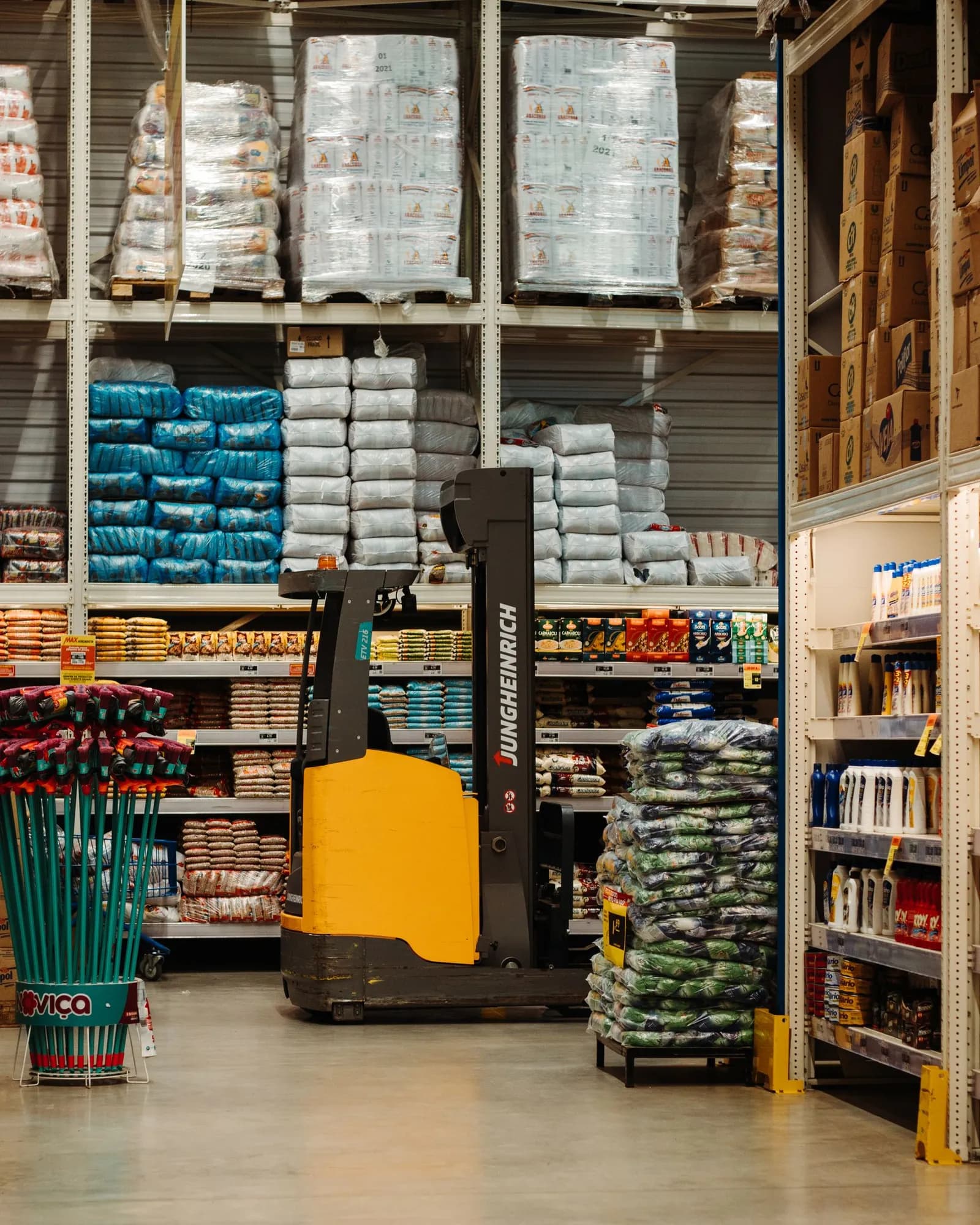
Warehouse storage racks and equipment access aisle

Understand
what needs to change.

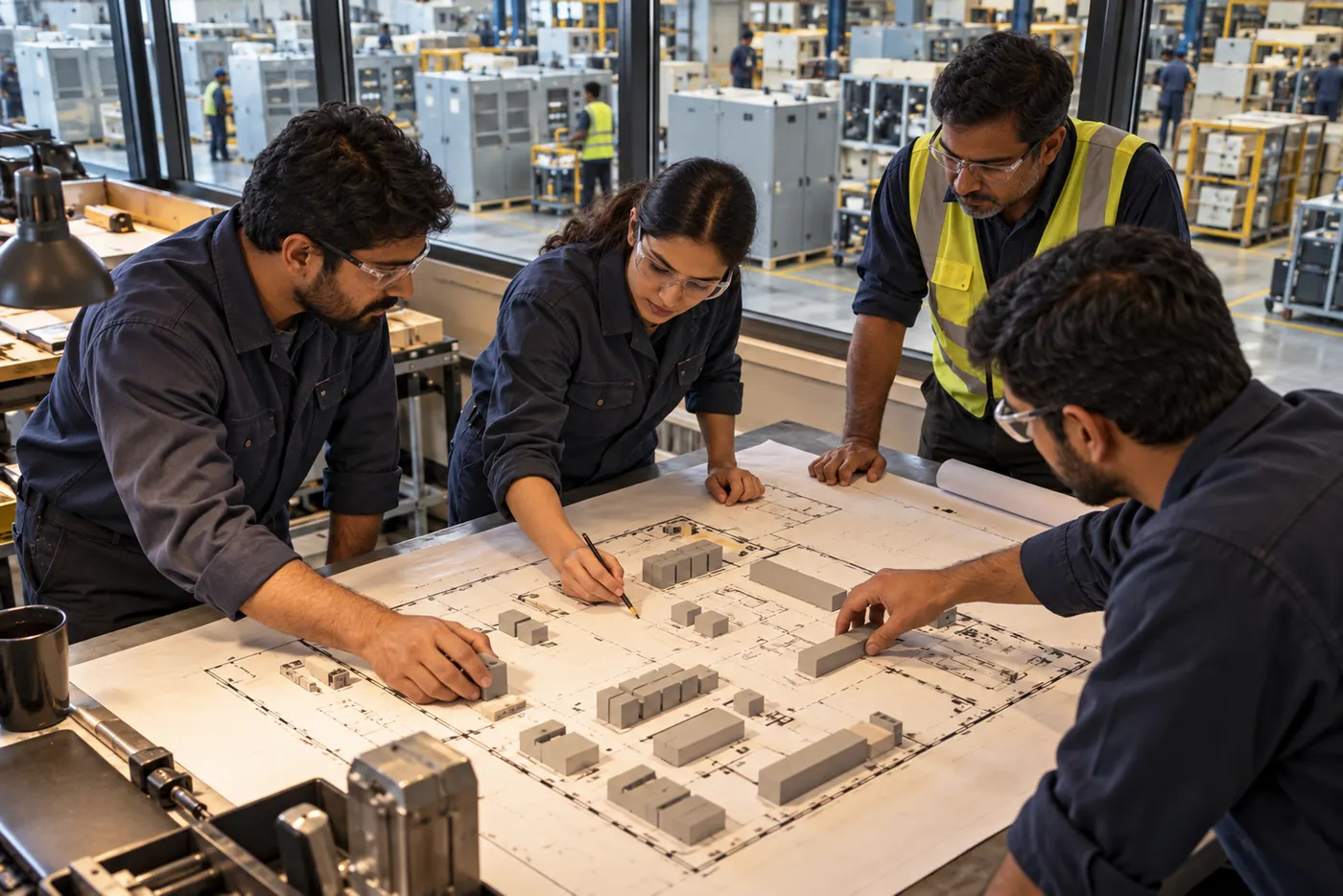
Engineering planning and warehouse design context

Engineer
how it should work.

[ From assessment to implementation ]

One line of work, end to end.

Engage us for a single audit or a single design problem. When the work continues, the evidence from each stage carries into the next, so nothing is rediscovered.

  1. 01 · Warehouse Audits

    Assess

    Site, building and operation, observed and measured.

  2. 02 · Warehouse Audits

    Diagnose

    Gaps, bottlenecks and root causes, with evidence.

  3. 03 · Warehouse Design & Optimization

    Design

    Layouts, storage, flows and control methods.

  4. 04 · Warehouse Design & Optimization

    Evaluate

    Alternatives compared, modeled where it matters.

  5. 05 · Warehouse Design & Optimization

    Implement

    Pilots, moves and training on live shifts.

  6. 06 · Warehouse Design & Optimization

    Verify

    Agreed measures checked against the baseline.

[ what you receive ]

Engineering you can open, check and build from.

  • AutoCAD 2D layouts

    DWG and PDF

    Scaled current-state and future-state layouts: racking, aisles, docks, zones and flow paths, ready for your team, architect or racking supplier to work from.

  • 3D model and walkthrough

    3D model and video walkthrough

    The future state in three dimensions, so operators and management can see clearances, heights and movement before anything is bought or built.

  • AnyLogic and NVIDIA Isaac Sim

    Flow model, robotics digital twin and results summary

    Layouts run in AnyLogic against your own order data to compare throughput, travel and congestion; robots and AMR fleets tested in an NVIDIA Isaac Sim 3D digital twin before you buy.

  • Excel and Power BI models

    Workbooks and dashboards

    Capacity models, slotting analysis, time studies and KPI dashboards built on your data, handed over so your team can keep them current.

[ Engagement levels ]

Ways to work with us.

Start with a focused assessment and scale the engagement based on what your operation requires. Each level follows DMAIC, the Lean Six Sigma improvement cycle.

  1. Stage 01

    Involvement1 of 3

    Assess

    DefineMeasureAnalyze

    Identify the operational problem before committing to a larger project.

    Includes

    • Initial requirement discussion
    • Site visit or remote assessment
    • Current-state review against a diagnostic checklist built for your operation
    • Key constraints and improvement opportunities
    • Written summary with prioritized recommendations

    Best for businesses that need clarity before making operational or capital decisions.

  2. Stage 02

    Involvement2 of 3

    Design

    Improve

    Develop an engineered solution based on operational data and site requirements.

    Includes

    • Everything included in Assess
    • Project charter and SIPOC (supplier-to-customer map)
    • Pareto and cause-and-effect (fishbone) analysis
    • Layout, capacity or process analysis
    • Simulation or option comparison where applicable
    • Recommended future-state design
    • Implementation roadmap and measurable success criteria

    Best for warehouse redesigns, expansions and defined improvement projects.

  3. Stage 03

    Involvement3 of 3

    Implement

    ImproveControl

    Support the physical and operational execution of the approved solution.

    Includes

    • Everything included in Design
    • Pilot planning and validation
    • Vendor and execution coordination
    • On-site implementation support
    • SOP development and team training
    • Control plan, post-implementation review and stabilization

    Best for businesses that require support from planning through execution.

[ pricing ]

How projects are priced.

Each engagement is scoped around the facility, operational challenge and level of support required. We provide a clear proposal covering deliverables, timeline, responsibilities and professional fees before work begins.

  • 01

    Facility size and complexity

  • 02

    Scope and deliverables

  • 03

    Analysis and engineering effort

  • 04

    Implementation and travel requirements

Not sure where to start?

Tell us what is happening inside your warehouse. We will help define the right starting point.

Discuss Your Warehouse

[ how an engagement works ]

  1. Define.

    We agree the problem, the scope and the measure of success with the people who own the operation, then walk the floor with operators and supervisors to see where it actually shows up.

    A one-page charter: the problem, the scope, the owner and the measure of success.

  2. Measure.

    We follow materials from receiving to dispatch and observe live shifts, measuring waits, handling, travel and stock gaps against a diagnostic checklist built for your operation. The result is a baseline taken from the floor, not from the plan.

    A floor-validated baseline and a current-state value stream map.

  3. Analyze.

    We separate the few causes that matter from the many that don't and prove them with data: Pareto analysis, cause-and-effect diagrams, and layouts and simulations checked against space, equipment and shift constraints.

    The proven causes and a prioritized roadmap with owners and measures.

  4. Improve.

    We build the change with the people who run it and pilot it in one area, line or shift under real demand. We measure the result against the baseline and refine it before rolling it out across the agreed scope.

    A tested working method, measured against the baseline, and the rollout carried out.

  5. Control.

    We lock the new way of working in with standard work, on-shift training, visual management and a control plan, review performance with your team, and hand over the controls once they can sustain it.

    Standard work, a control plan and an operation your team runs without us.

Define → Measure → Analyze → Improve → Control: The TvastrOps Method. We walk the floor, build with your team and execute on the floor. Each phase gives you the evidence to agree the next.

[ free checklist ]

Warehouse Capacity Self-Check

A 30-point checklist to walk your own floor with. It shows where space, movement and stock accuracy are being lost, before you spend on a bigger building or new racking.

  • 30 yes/no checks across storage, flow, picking, inventory and line supply
  • A scoring guide that points to the area to fix first
  • The data to collect before talking to any consultant or vendor

Prefer a map? Build your warehouse value stream map, free, with the report emailed to you.

We’ll use these details only to follow up about your warehouse. No newsletter.

Start here

Define the warehouse problem.

Share the operating issue, the facility and the decision you need to make. We’ll help identify the service scope and useful deliverables.