Standardized locations
A → 12 → 03
DeliverableLocation hierarchy, label specification and bin master.
On the floorGive every movement an unambiguous source and destination.
Align physical stock, location records and warehouse transactions with daily operating discipline.
Stock is difficult to locate, physical quantities disagree with records, or replenishment repeatedly fails. We agree the operating requirements, input data and decision criteria before developing recommendations.
On site in Hyderabad, across Telangana and India. All our services in Hyderabad →

| SKU / select | Description | ERP qty | Physical | Variance | Location | Status |
|---|---|---|---|---|---|---|
| Gear Housing | 120 | 87 | -33 | A-01-01 | Short | |
| Control Module | 56 | 56 | 0 | A-02-01 | Match | |
| Filter Assembly | 230 | 198 | -32 | A-03-01 | Short | |
| Hydraulic Seal | 75 | 76 | +1 | A-04-01 | Over | |
| Mounting Plate | 310 | 265 | -45 | A-05-01 | Short | |
| Sensor Cable | 90 | — | — | A-06-01 | Not counted | |
| Valve body | 58 | 58 | 0 | A-07-01 | Match | |
| Drive coupling | 61 | 56 | -5 | A-08-01 | Short | |
| Bearing kit | 64 | 64 | 0 | A-09-01 | Match | |
| Fastener box | 67 | — | — | A-10-01 | Not counted | |
| Valve body | 70 | 70 | 0 | A-01-02 | Match | |
| Drive coupling | 73 | 73 | 0 | A-02-02 | Match | |
| Bearing kit | 76 | 76 | 0 | A-03-02 | Match | |
| Fastener box | 79 | 79 | 0 | A-04-02 | Match | |
| Valve body | 82 | 77 | -5 | A-05-02 | Short | |
| Drive coupling | 85 | 85 | 0 | A-06-02 | Match | |
| Bearing kit | 88 | 88 | 0 | A-07-02 | Match | |
| Fastener box | 91 | 91 | 0 | A-08-02 | Match | |
| Valve body | 94 | — | — | A-09-02 | Not counted | |
| Drive coupling | 97 | 97 | 0 | A-10-02 | Match | |
| Bearing kit | 100 | 100 | 0 | A-01-03 | Match | |
| Fastener box | 103 | 98 | -5 | A-02-03 | Short | |
| Valve body | 106 | 106 | 0 | A-03-03 | Match | |
| Drive coupling | 109 | 109 | 0 | A-04-03 | Match | |
| Bearing kit | 112 | 112 | 0 | A-05-03 | Match | |
| Fastener box | 115 | 115 | 0 | A-06-03 | Match | |
| Valve body | 118 | 118 | 0 | A-07-03 | Match | |
| Drive coupling | 121 | — | — | A-08-03 | Not counted | |
| Bearing kit | 124 | 119 | -5 | A-09-03 | Short | |
| Fastener box | 127 | 127 | 0 | A-10-03 | Match | |
| Valve body | 130 | 130 | 0 | A-01-04 | Match | |
| Drive coupling | 133 | 133 | 0 | A-02-04 | Match | |
| Bearing kit | 136 | 136 | 0 | A-03-04 | Match | |
| Fastener box | 139 | 139 | 0 | A-04-04 | Match | |
| Valve body | 142 | 142 | 0 | A-05-04 | Match | |
| Drive coupling | 145 | 140 | -5 | A-06-04 | Short | |
| Bearing kit | 148 | — | — | A-07-04 | Not counted | |
| Fastener box | 151 | 151 | 0 | A-08-04 | Match | |
| Valve body | 154 | 154 | 0 | A-09-04 | Match | |
| Drive coupling | 157 | 157 | 0 | A-10-04 | Match |
A-01-01 · BR-4587 · Count 87 · Short
Illustrative static dataset · no ERP connection · not counted ≠ verified match · filtered-out bins are dimmed
Possible cause · Receiving
Incorrect receipt quantity or an incomplete receipt reversal.
Verification required
Compare the signed delivery note, receipt quantity and receiving count.
Confirmed findings
None. Source transactions have not been verified in this demonstration.
| Reference | Observation / transaction | Quantity | Evidence status | Interpretation |
|---|---|---|---|---|
| BR-4587-OPEN | Opening snapshot | 120 | System record | ERP on-hand at the demo snapshot; not a movement. |
| BR-4587-COUNT | Independent physical count | 87 | Count observation | Observed units at this bin in the illustrative dataset. |
| BR-4587-REVIEW | Transaction trace | — | Review pending | Receipt, transfer, pick and issue documents must be checked. No cause has been confirmed. |
Pick face not replenished
34 of 100 shortages · 34% of the total · 34% cumulative · vital few
Countermeasure
Replenish against consumption, triggered before the face runs empty.
Illustrative Pareto · synthetic shortage records · not client data
Cycle counting & location control
Prioritize count effort by risk, inventory value or movement frequency.
Select a labeled bin to inspect its count record.
Location accuracy: 34/35 inspected bins contain the expected SKU; separate from quantity accuracy.
Selected location
Descending illustrative risk score / 100
Illustrative metrics calculated from 40 synthetic item-location records · no client results or target claims
From correction to control
Engineer the standards, transaction points and daily checks that prevent the same failure from returning.
DeliverableLocation hierarchy, label specification and bin master.
On the floorGive every movement an unambiguous source and destination.
DeliverableReceipt, putaway, pick and movement scan workflows.
On the floorCapture the physical action at the point of work, including exceptions.
DeliverableRisk-based count plan, recount rules and discrepancy workflow.
On the floorResolve the difference and verify closure before updating records.
DeliverableTransaction maps, confirmation points and ownership matrix.
On the floorAlign the timing and location of ERP postings with actual movement.
DeliverableFloor-tested standard work, training and control dashboard.
On the floorMake reliable transactions part of daily work and review recurring failures.
Inventory segmentation: Group items by usage, value and criticality to set appropriate storage, counting and replenishment priorities.
Replenishment modeling: Evaluate reorder points, minimum and maximum quantities, and buffers against demand variability and lead times.
Location & transaction control: Design location labeling, barcode workflows and controls for receipts, transfers, picks and returns.
Cycle counting & visibility: Build count routines, investigate recurring discrepancies and define availability reports for daily decisions.
Service overview
The aim is a repeatable control process for receipts, put-away, transfers, picks, replenishment and returns. We define functional requirements with your warehouse and systems teams, trial changes in a selected area and verify the records against physical movements before wider rollout.
We investigate why physical stock and system records diverge, then design controls at the points where material changes location, quantity or status. The work connects location labeling, operator responsibilities, transaction timing and count routines.
B3 / Scope of work
We agree the areas, data requirements and deliverables during scoping. The activities below define the service’s technical focus.
Review SKU identifiers, units of measure, location addresses and storage rules. Define labels and barcode checks that operators can apply at the actual handover.
Segment items by value, activity and operational risk. Define count frequency, blind-count rules, recount triggers and approval for adjustments.
Separate quantity, location, SKU and status errors. Review movement evidence and recurring causes before deciding the corrective action.
Review lead times, consumption, minimum and maximum quantities and pick-face buffers. Define normal replenishment triggers and exception handling.
Compare floor procedures with system configuration, access and transaction sequencing. Document functional changes, visibility requirements and responsibility for verification.
OPS-01 / Technical explanation
Trace receipts, put-away, transfers, picks and returns. Set the required record, confirmation point and accountable role for each movement.
Technical approach
Floor observation and operating data establish the basis; review and verification close the loop.
Sample item-location records and follow the associated material movements and transaction evidence.
Agree location rules, count methods, transaction ownership and replenishment parameters.
Train operators, trial the controls and check count results and system confirmations on live shifts.
Extend the agreed controls, investigate repeat errors and review accuracy and availability measures.
Applications
Typical operating situations; these are not client case studies.
Engineering outputs

Count protocol, tolerance definitions and a segmented discrepancy register.
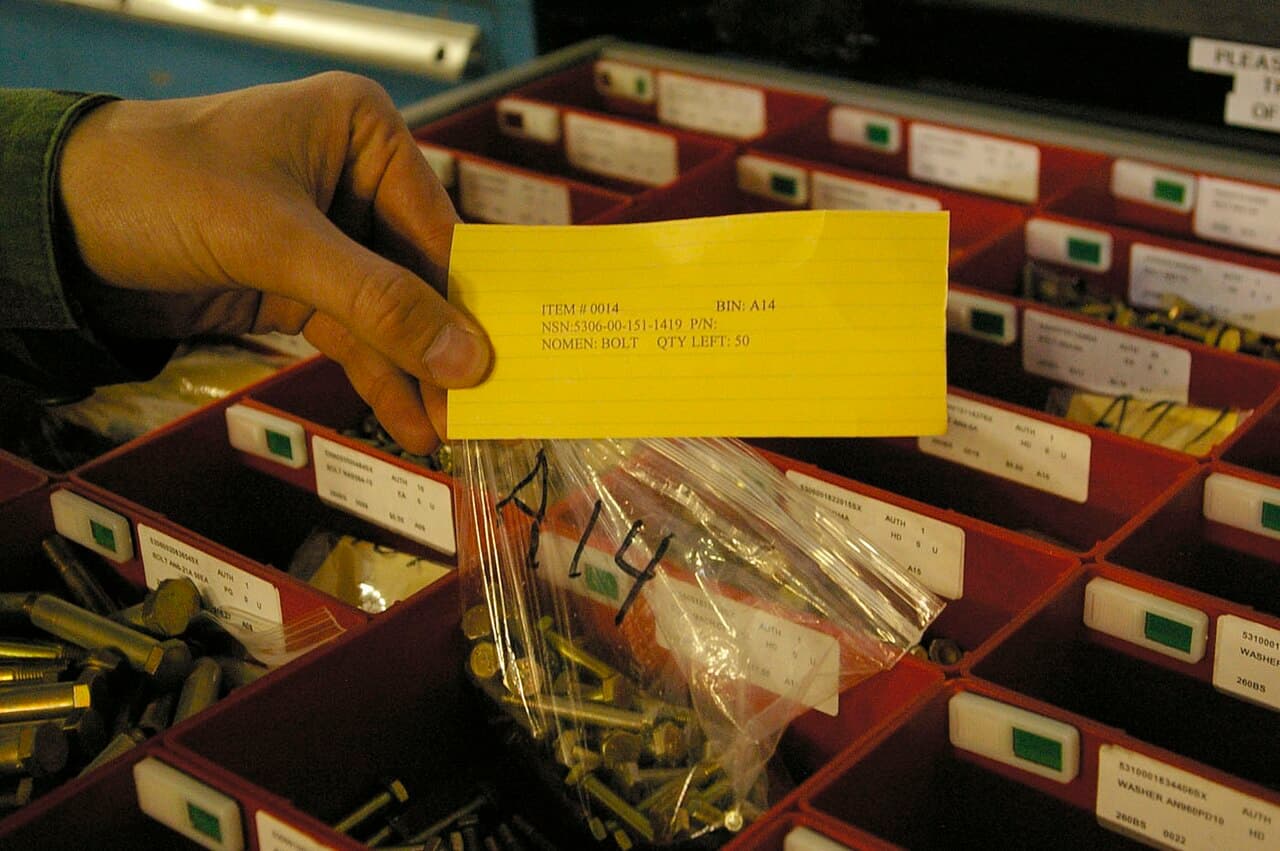
Location hierarchy, label placement and source/destination confirmation standards.
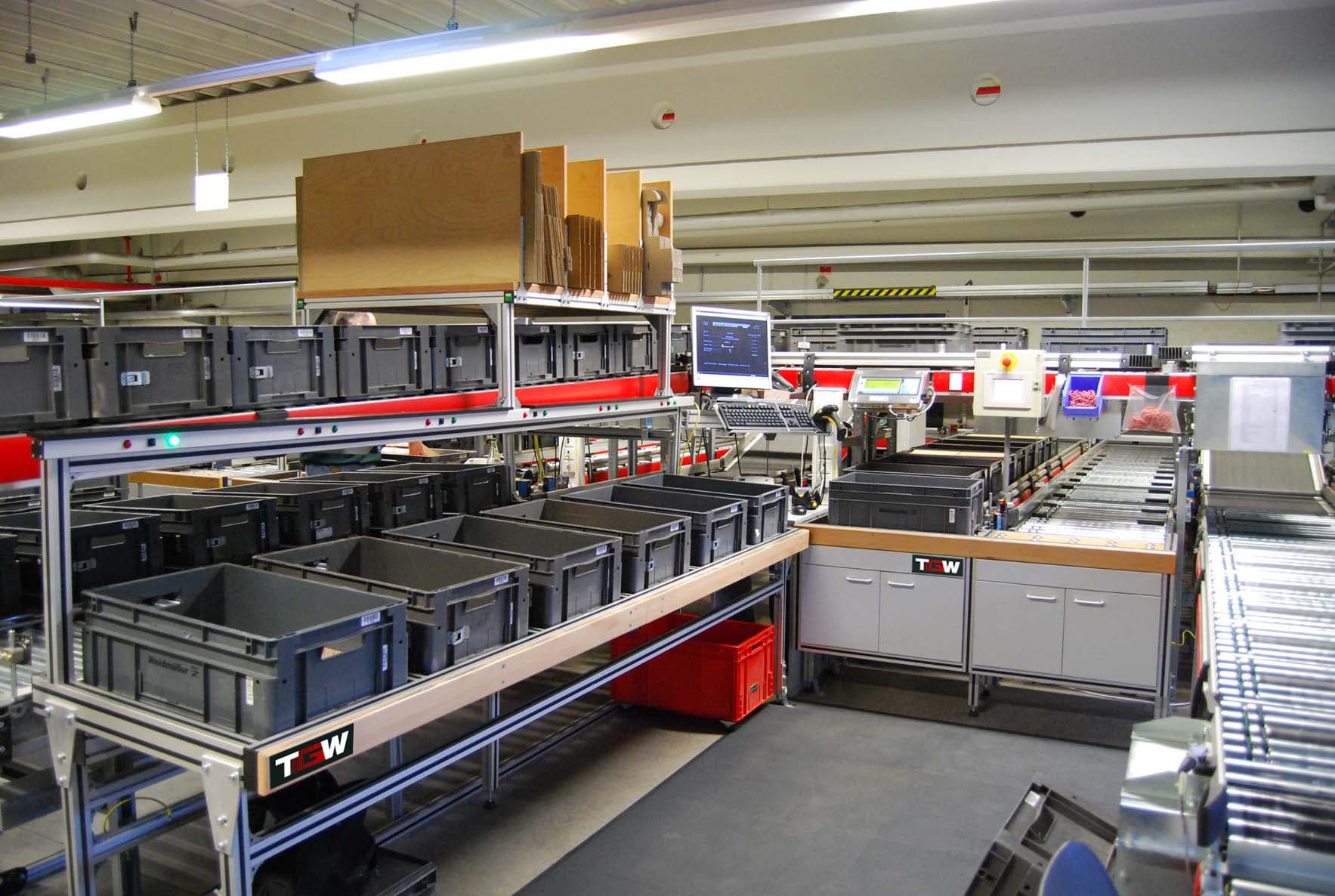
Count scope, frequency, blind recounts and escalation thresholds.

Receipt-to-issue flow, ERP events and ownership at each handover.
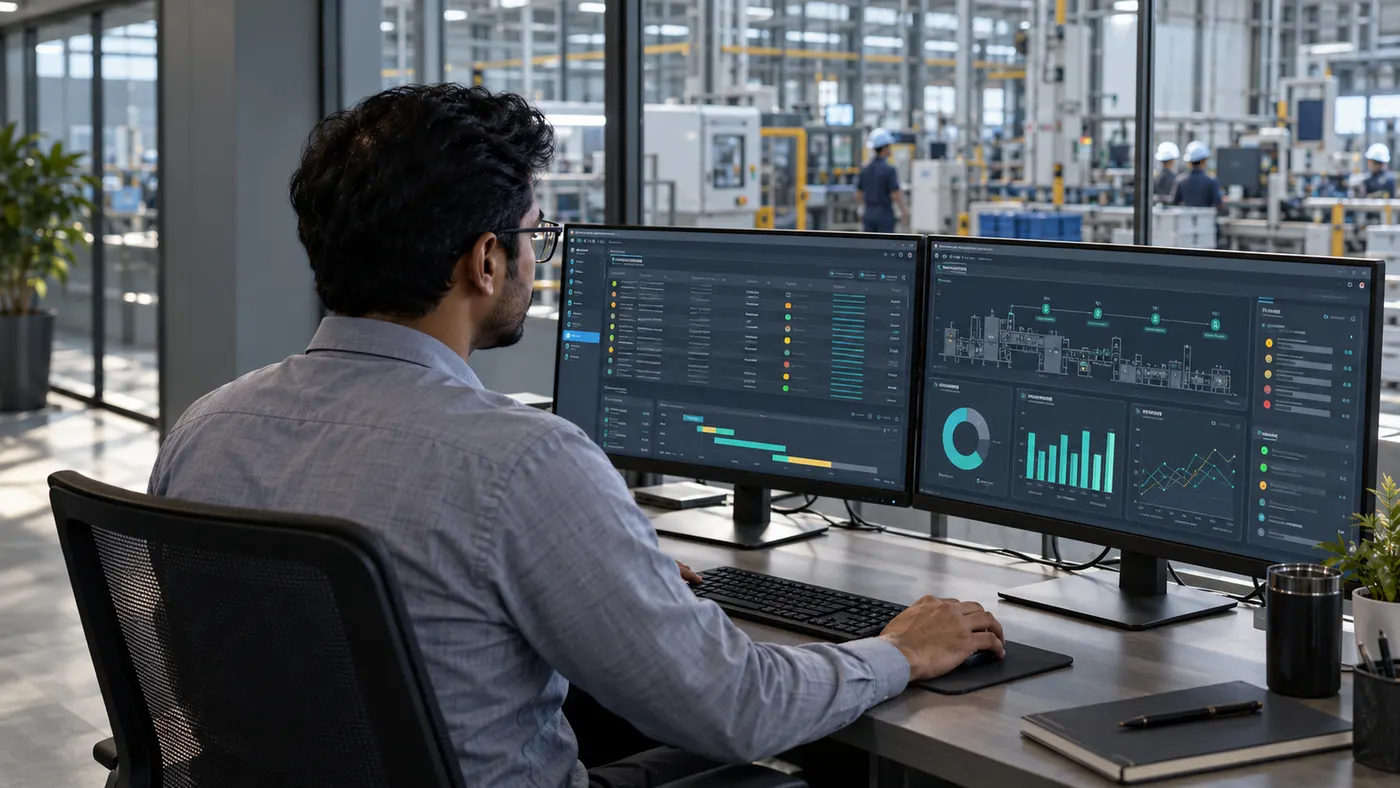
Evidence requirements, cause review, approval and independent verification.
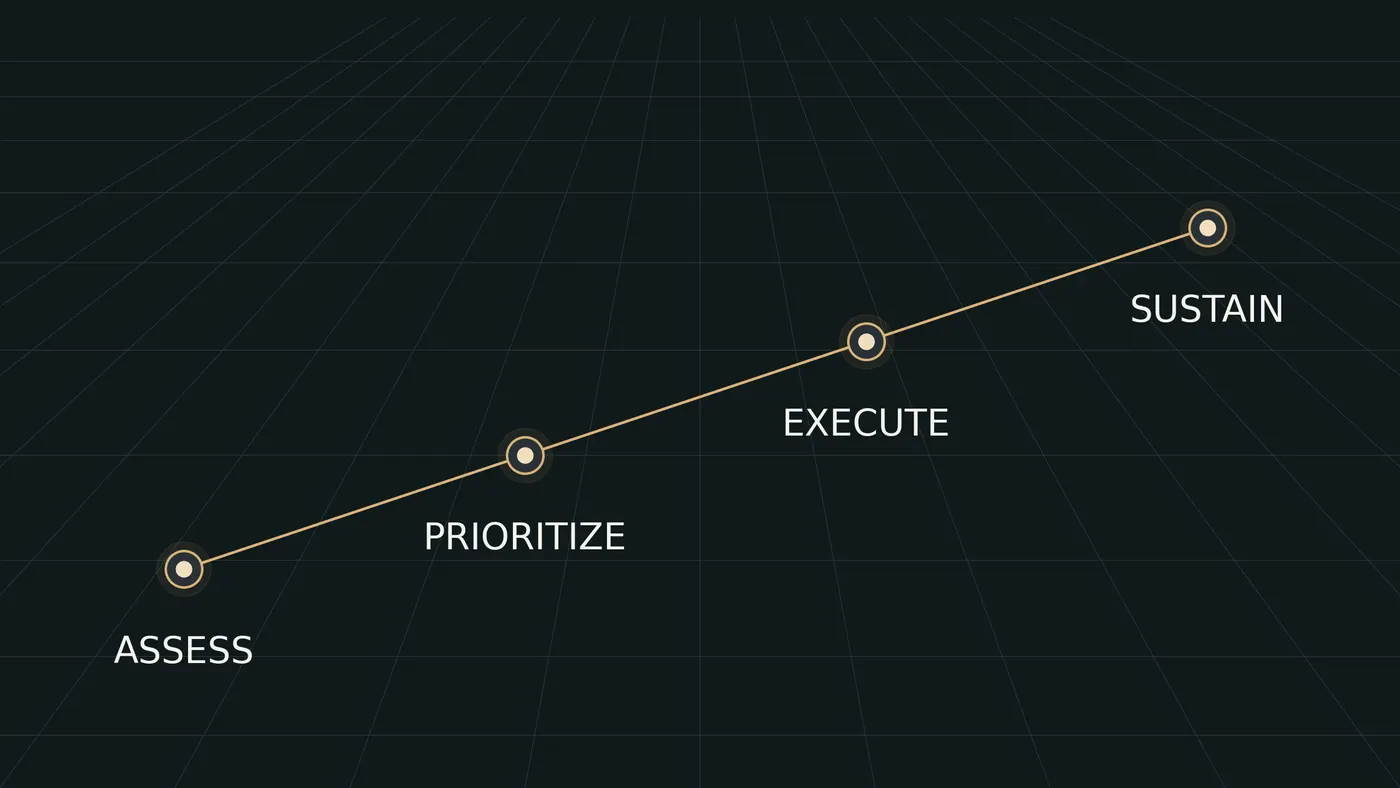
Pilot scope, training, rollout dependencies and stabilization checks.
How we track results
Key measures are defined around the warehouse and the change being tested.
Exact item-location quantity matches among counted records.
Counted records within agreed quantity tolerance ÷ counted records. This demo uses zero tolerance; uncounted records are excluded.
Whether the observed SKU belongs at the recorded location.
Counted locations with the expected SKU ÷ locations inspected. Quantity agreement is measured separately.
How much of the planned counting scope has been completed.
Completed eligible location counts ÷ planned eligible location counts, for the agreed period.
How often counted item-location records differ.
Counted records outside tolerance ÷ counted records; segment by process, item and location.
Elapsed time from logged discrepancy to verified closure.
Record detection, investigation and verified closure timestamps. Report median and aged open cases.
Shortages attributable to confirmed inventory-record errors.
Count incidents only after cause verification; distinguish total supply shortages and replenishment delays.
Scope, measurement methods and improvement targets are agreed during assessment. Demo outputs are not measured client results.
[ Questions buyers ask ]
Common causes are moves that are never recorded, receipts posted before put-away, unlabeled locations, picks from the wrong location, and adjustments made without a reason. We trace your discrepancies back through the transactions to find which ones are causing yours.
Fix the causes, then hold the gain: controlled receiving and put-away, a label on every location, a scan at each move, cycle counting on a schedule, and a reason code and named approver for every adjustment. We set these up with your team and keep measuring until the accuracy holds.
Usually not first. Most accuracy problems are process problems that a new system would inherit. We assess your current WMS or ERP functionally and, only if it genuinely can't support the process, write the functional requirements for a replacement.
Cycle counting checks a portion of locations on a schedule instead of stopping for a full annual count. Fast movers and high-value items are counted more often than slow ones, and we design the routine around your stock profile and the staff time you have.
Yes. Before TvastrOps, Roshan automated the analysis of $110M in stagnant inventory at Lowe's, supporting an improvement in inventory turns from 3.7 to 4.0. We bring the same visibility to your slow and inactive stock so it can be acted on.
Start here
Tell us where records and reality diverge. We’ll help identify where control is breaking down and what needs to change.